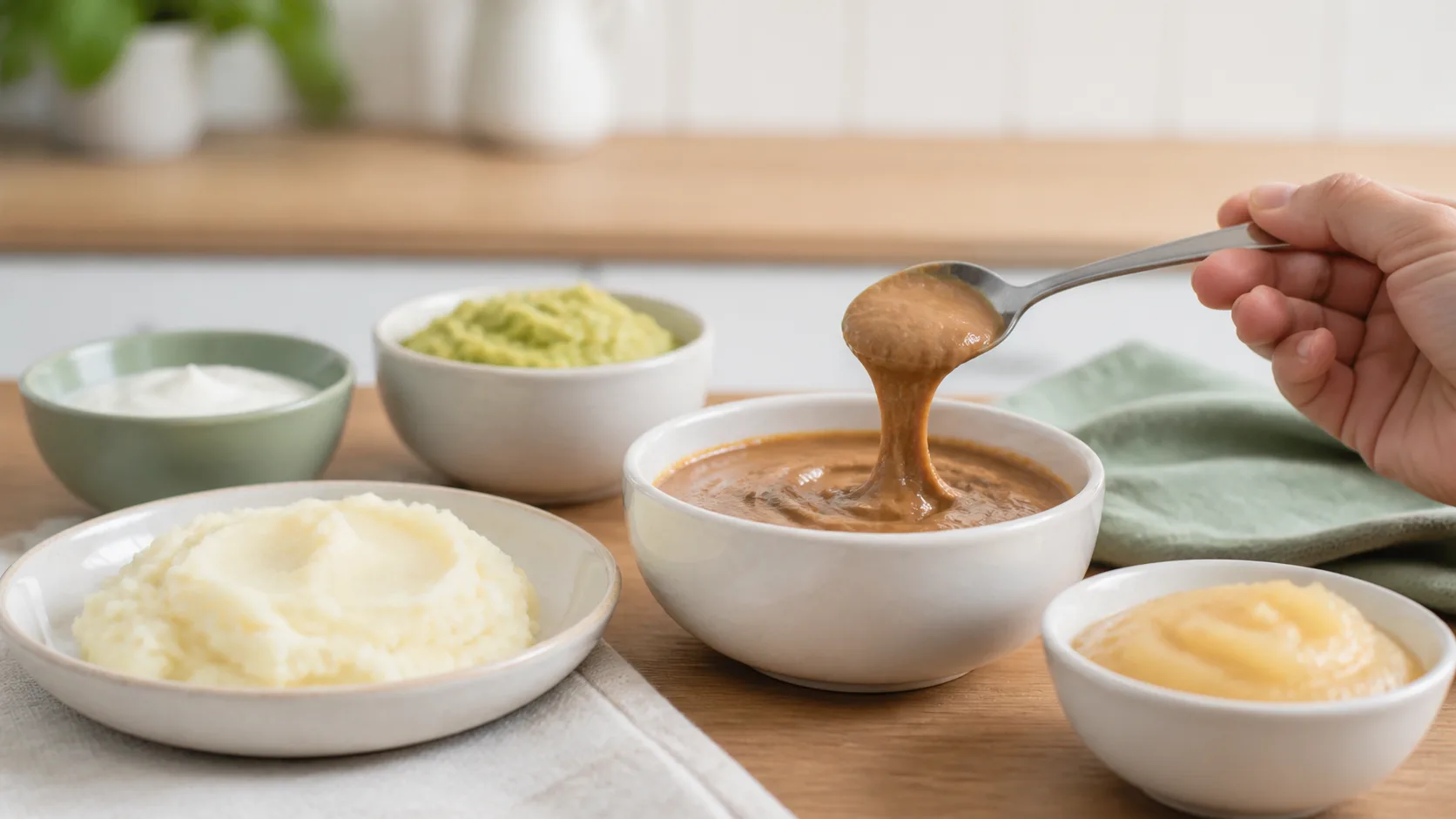
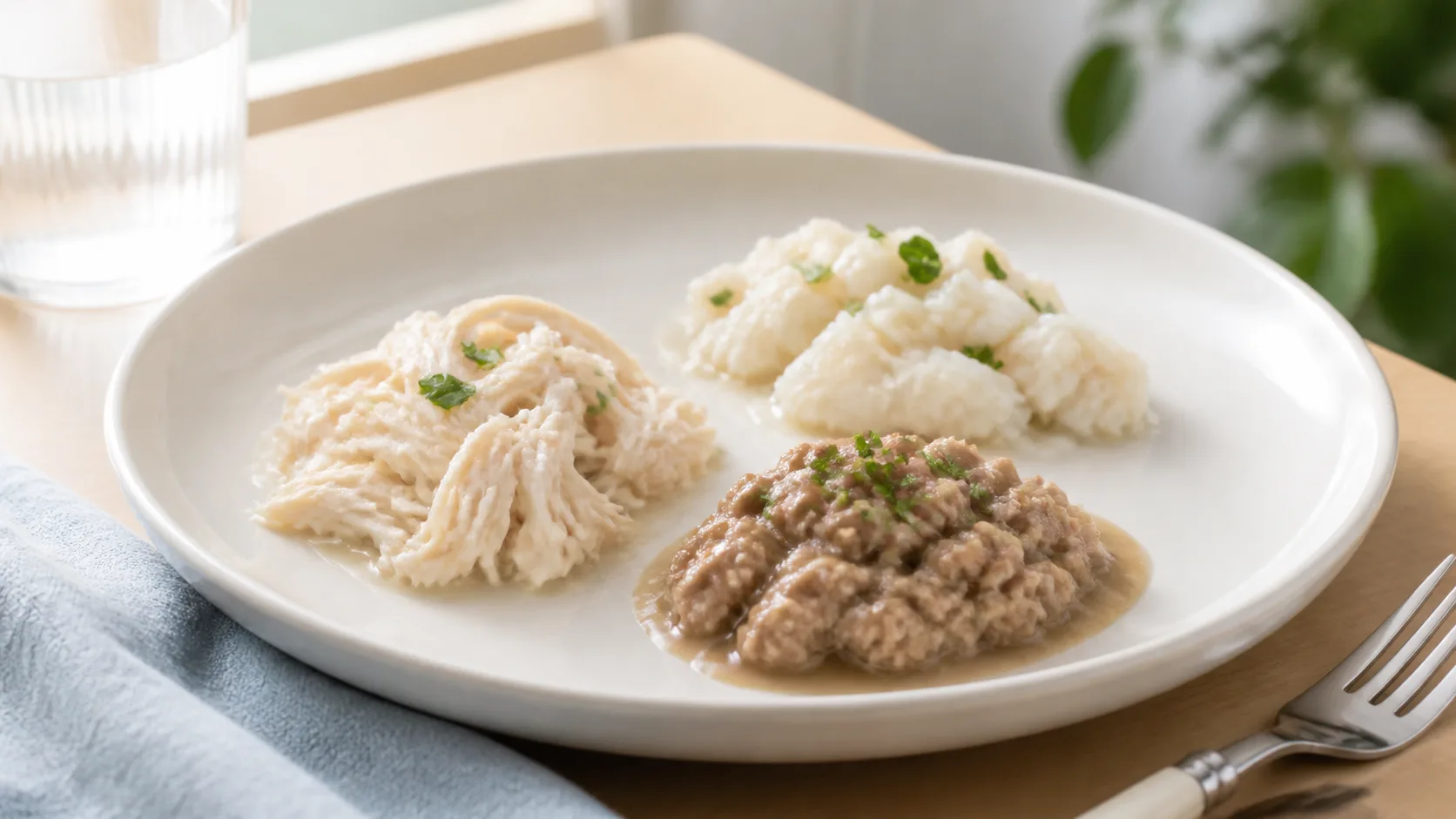
Safe eating for people with dysphagia
Safe eating combines texture, pace, posture, hydration, and observation during meals. This page gathers practical resources without replacing individualized care.
Texture matters
Water, coffee, bread, soups with pieces, dry foods, and mixed consistencies may require different precautions for each person.
What to observe during meals
This cluster organizes practical questions about liquids, common foods, hydration, chewing, posture, and texture adaptation.
Water and liquids
Thin liquids can be challenging for some people and require individual assessment.
Everyday drinks
Coffee, hydration, and safer drinks should be considered alongside observed signs.
Common foods
Bread, rice, beans, eggs, fruits, and soup require attention to moisture, cohesion, and pieces.
Mixed consistencies
Foods with liquid and solid together may be harder to control in the mouth.
Posture and pace
Sitting upright, slowing down, and pausing can support safer meals.
Sign records
Recording coughing, wet voice, fatigue, and food involved helps appointments.
How can food be adapted without unsafe improvisation?
Adaptation should respect professional assessment and the person’s response. The goal is not to restrict everything, but to understand which textures, volumes, and situations bring more risk.
Main safe eating readings
These articles form the base of the cluster and point to more specific questions.
Safe eating for people with dysphagia
Core guide on posture, consistency, and professional support.
Thickened liquids in dysphagia
Shows why consistency should be professionally guided.
Is bread safe for dysphagia?
Covers dry texture, crumb, and adaptation concerns.
Which drinks help hydration?
Helps think about hydration without overgeneralizing.
Organize safer meal routines
After foods and liquids, explore caregiver guidance and digital records for daily observations.